
Invited Speaker 2026
Invited Speaker Ⅰ

Sunil Kumar
GLA University, Greater Noida, India
Brief Introduction: Dr. Sunil Kumar holds a Ph.D. in Computer Science & Engineering and brings over 20 years of academic, research, and administrative leadership experience. He currently serves as Associate Head and Associate Professor at GLA University, Greater Noida, India. His core research expertise spans Artificial Intelligence, Deep Learning, Semantic Information Extraction, Cloud Computing Optimization, and Smart IoT Systems.
Key Highlights
1. Publications: Over 30 SCI/SCIE-indexed journal papers in high-impact platforms, including Nature Scientific Reports, IEEE Internet of Things Journal, and Sustainable Cities and Society.
2. Research Impact: H-index of 25 and i10-index of 35.
3. Books & Editorial Work: Author and editor of multiple scholarly books focusing on Artificial Intelligence, Machine Learning, and Industrial IoT (IIoT).
4. Academic Leadership: Extensive experience serving as Keynote Speaker, Session Chair, reviewer, and advisory board member for international academic conferences
Speech Title: Autonomous Cloud Optimization for Generative AI & Big Data Analytics: Balancing Performance, Cost, and Scalability
Abstract: The integration of Generative AI and big data analytics offers unprecedented analytical power, yet running foundation models alongside massive data pipelines creates immense compute, memory, and cost challenges. Traditional auto-scaling and static provisioning often fail under these heavy workloads, leaving organizations trapped between exorbitant cloud bills and degraded query performance. This keynote presents autonomous, AI-driven cloud optimization frameworks designed to resolve this tradeoff dynamically. By leveraging predictive resource scheduling, smart query execution, and decoupled cloud architectures, organizations can scale high-throughput analytics and GenAI inference efficiently without compromising system responsiveness or exceeding budget constraints.
- AI-Driven Cloud FinOps: Automating spot-instance allocation, predictive auto-scaling, and execution planning using machine learning.
2. Decoupled Architecture Efficiency: Optimizing cloud lakehouses (such as Delta Lake and Apache Iceberg) to drastically reduce data scan volumes and egress fees.
3. Cost-Performance Balancing: Maintaining low-latency real-time inference while systematically driving down operational infrastructure overhead.
Invited Speaker Ⅱ
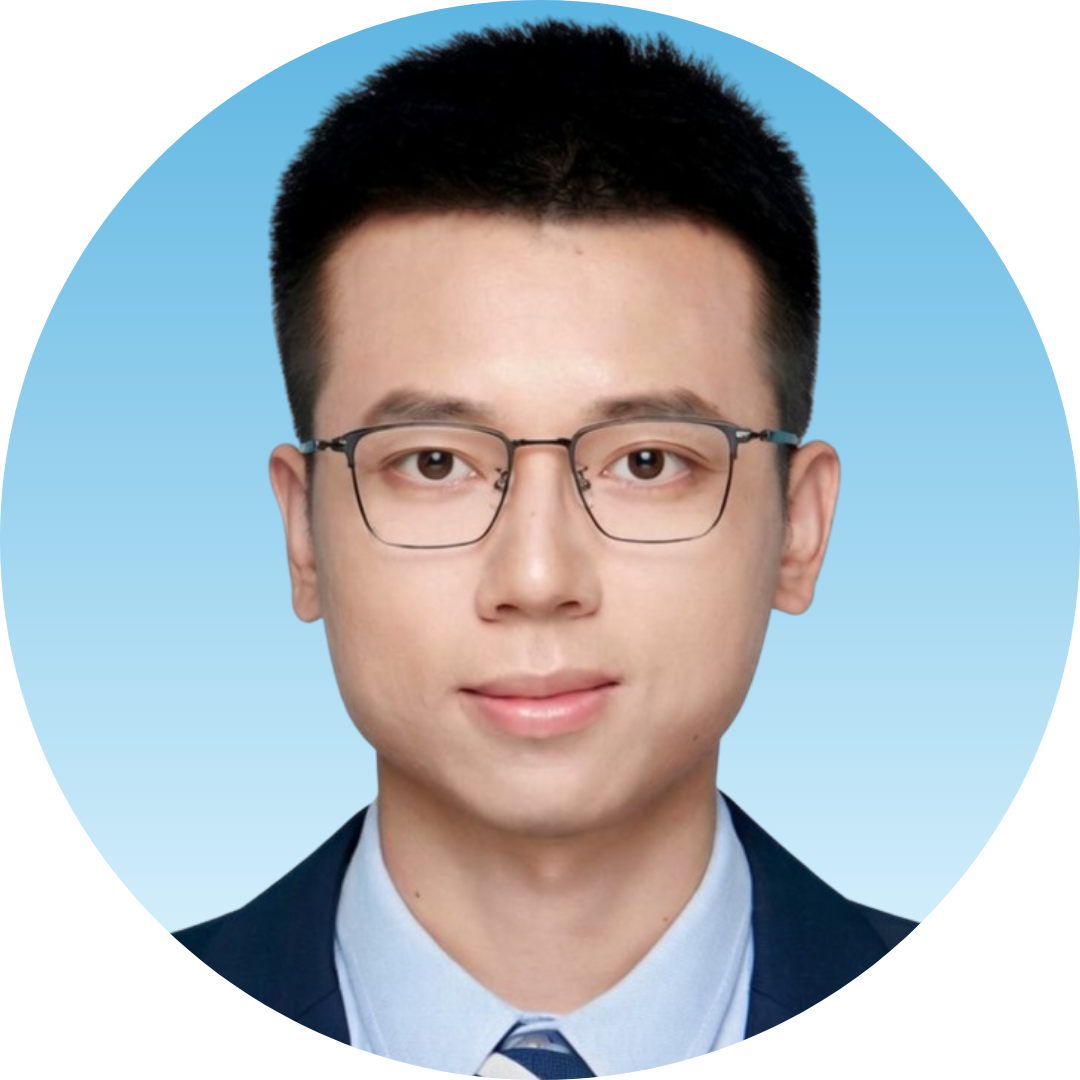
Honghao Lyu
Zhejiang University, China
Brief Introduction: Dr. Honghao Lyu received the Ph.D. degree in mechatronic engineering at the School of Mechanical Engineering, Zhejiang University, Hangzhou, China. He is currently a Research Professor with the Institute of Advanced Machines, Zhejiang University. He was a Postdoctoral Researcher from 2024 to 2025 at Zhejiang University. He studied at School of Electrical Engineering and Computer Science, KTH Royal Institute of Technology as a joint Ph.D. from 2021 to 2022, Stockholm, Sweden. He developed various dual-arm robotic teleoperation systems based on the motion capture techniques. His research interests include dual-arm robotic teleoperation, human-robot intelligent interface, and safe human-robot interaction. He worked on multi-robot coordination, network hardware-in-the-loop simulation, latency-aware cloud fog automation as a guest researcher at ABB Corporate Research Sweden. He is the Member of IEEE and the Member of ASME. He also served as the Technical Committee Member of IEEE IES TC-II and TC-CWAIA.
Invited Speaker Ⅲ
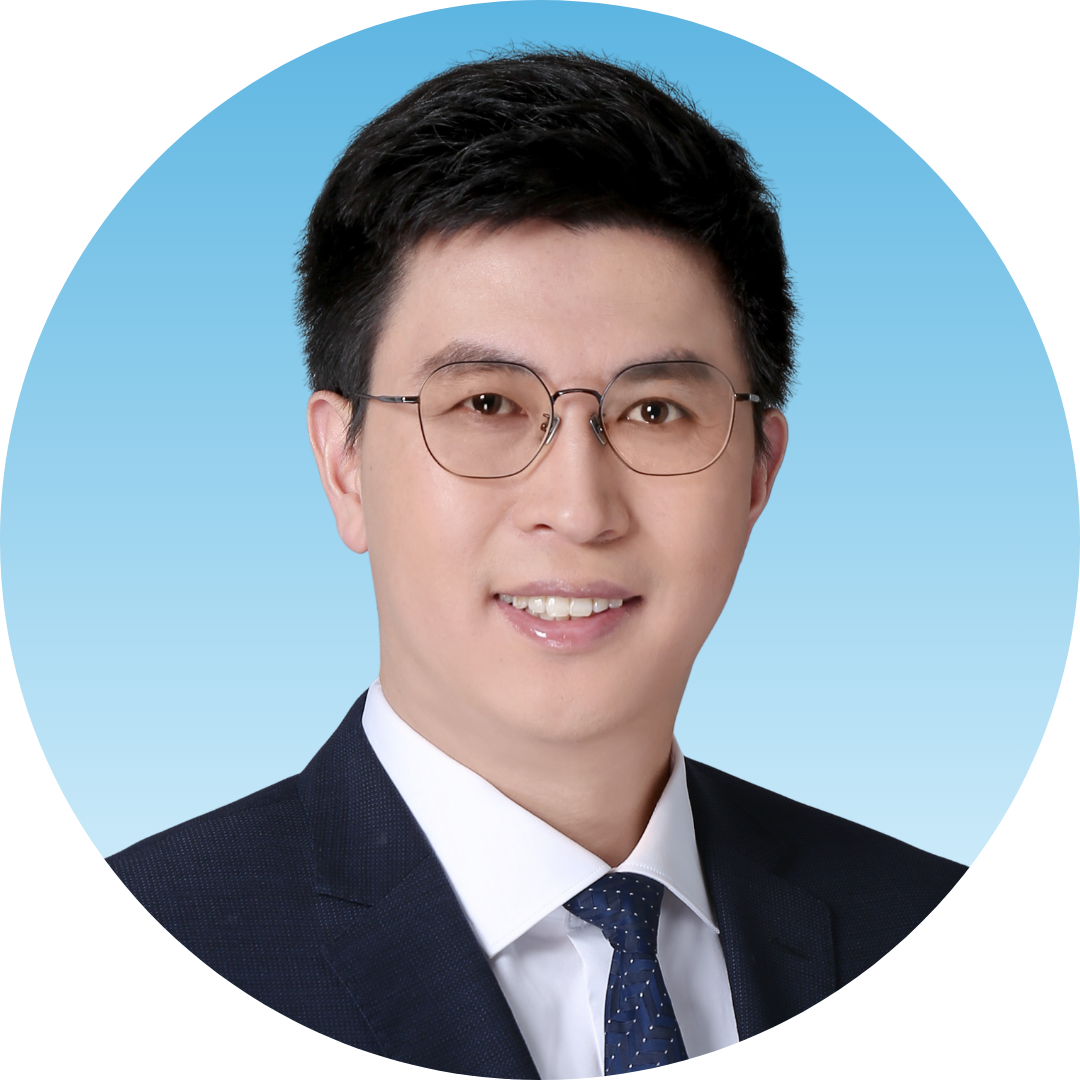
Xiaoming Liu
Beijing Institute of Technology, China
Brief Introduction: Xiaoming Liu (Senior Member, IEEE) received the B.S. degree in mechatronical engineering and the Ph.D. degree in mechanical engineering from Beijing Institute of Technology, Beijing, China, in 2012 and 2019, respectively. He was a Special Research Student with Osaka University, Suita, Japan, from 2016 to 2017, and a Postdoctoral Research Fellow with Beijing Institute of Technology, from 2019 to 2021. He is currently an Associate Professor with the School of Mechatronical Engineering, Beijing Institute of Technology. His research interests include micro/nanorobotics, microfluidic devices, computer vision, and piezoelectric devices. He has published more than 100 journal and conference papers as the first/corresponding author, including Science Advances, Nature Communications, PNAS, IJRR, and conference ICRA, IROS. Dr. Liu was a finalist for the Best Application Paper Award at IEEE/RSJ International Conference on Intelligent Robots and Systems (IROS) 2015 and IEEE International Conference on Mechatronics and Automation (ICMA) 2018. He was the recipient of the Annual Best Paper of Cyborg and Bionic System, the Best Paper in Automation Award at ICMA 2019 and the CM Ho Best Paper Award in Micro/Nanofluidics at IEEE International Conference on Nano/Micro Engineered & Molecular System (NEMS) 2025. He served as Publication Chair of IEEE International Conference on Advanced Robotics and its Social Impacts (ARSO) 2019 and Program Co-Chair of IEEE International Conference on Cyborg and Bionic Systems (CBS) 2025.
Invited Speaker Ⅳ
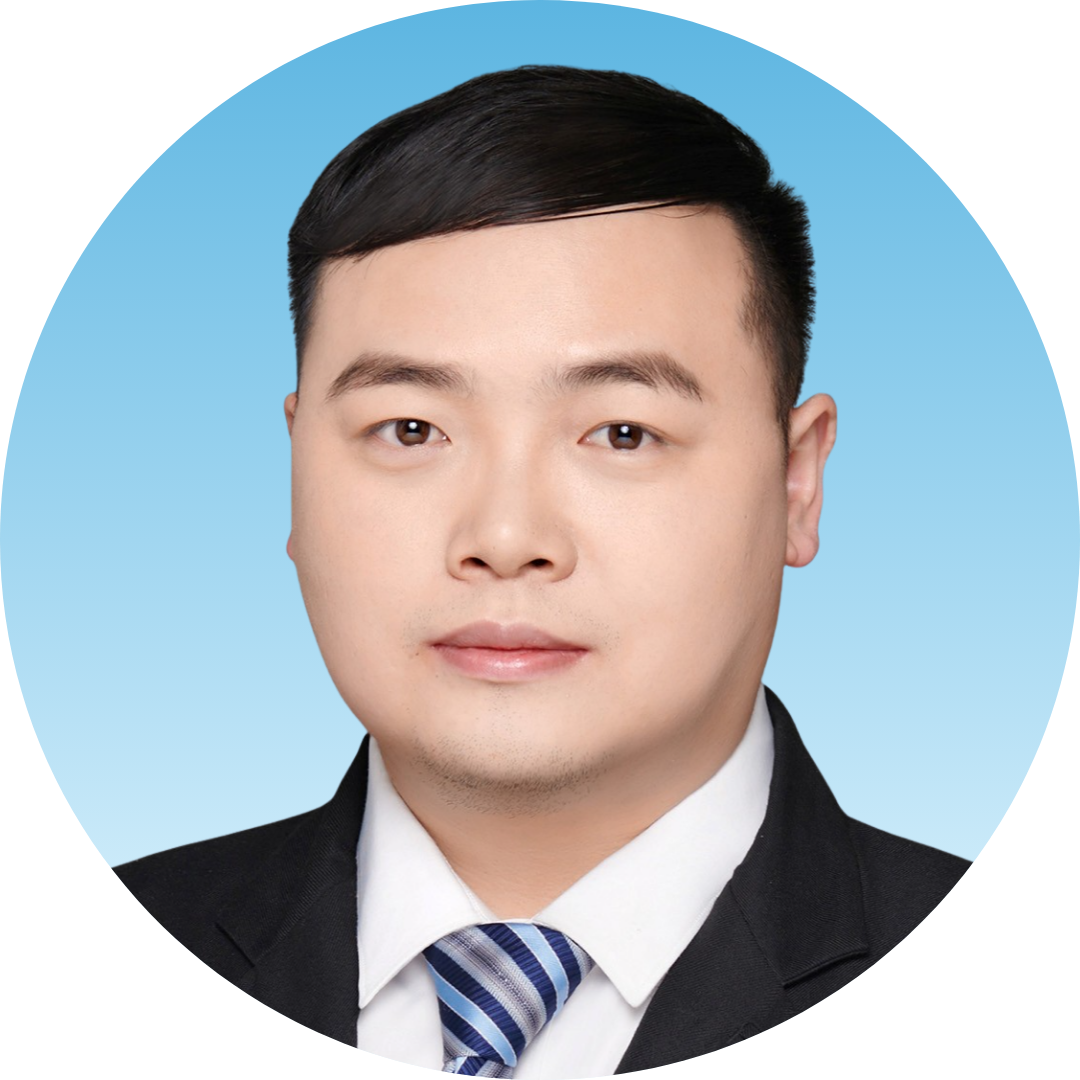
Shijing Zhang
Harbin Institute of Technology, China
Brief Introduction: Dr. Shijing Zhang received the Ph. D degree in mechatronic engineering at School of Mechatronics Engineering, Harbin Institute of Technology, Harbin, China. Since 2024, He has been an Associate Research Fellow with the State Key Laboratory of Robotics and Systems, Harbin Institute of Technology. His research interests include piezoelectric actuators, robots, micro-nano manipulations and piezoelectric steering mirror. His research work mainly focuses on actuation mechanism, device development, electrical drive, motion control and integrated applications of piezoelectric actuators and manipulators, as well as miniature robots. He has published over 80 academic papers in international journals and obtained 14 authorized patents. He won a provincial science and technology award and the 14th Hiwin Doctoral Dissertation Award. He is a senior member of CMES and CSMNT and an IEEE member. He also serves as an AE of Frontiers in Robotics and AI.
Invited Speaker Ⅴ
Jing Li
Harbin Institute of Technology, China
Brief Introduction: Jing Li is an associate professor of the School of Mechatronics Engineering at the Harbin Institute of Technology. He is also a member of the State Key Laboratory of Robotics and System at Harbin Institute of Technology. He received B.E. degree in naval architecture and ocean engineering from the School of Naval Architecture and Ocean Engineering at Harbin Institute of Technology, Weihai, China, in 2018. He received the M.E. and Ph.D. degrees in mechatronics engineering from the School of Mechatronics Engineering at Harbin Institute of Technology, China, in 2020 and 2024, respectively. Since 2025, he has been an associate professor with the School of Mechatronics Engineering at Harbin Institute of Technology. His research interests include small piezoelectric robots, bionic robots, and piezoelectric ultrasonic motors. He has published near 60 papers (AFM, AS, IJMS, IEEE TIE, IEEE TMECH, etc).
Invited Speaker Ⅵ
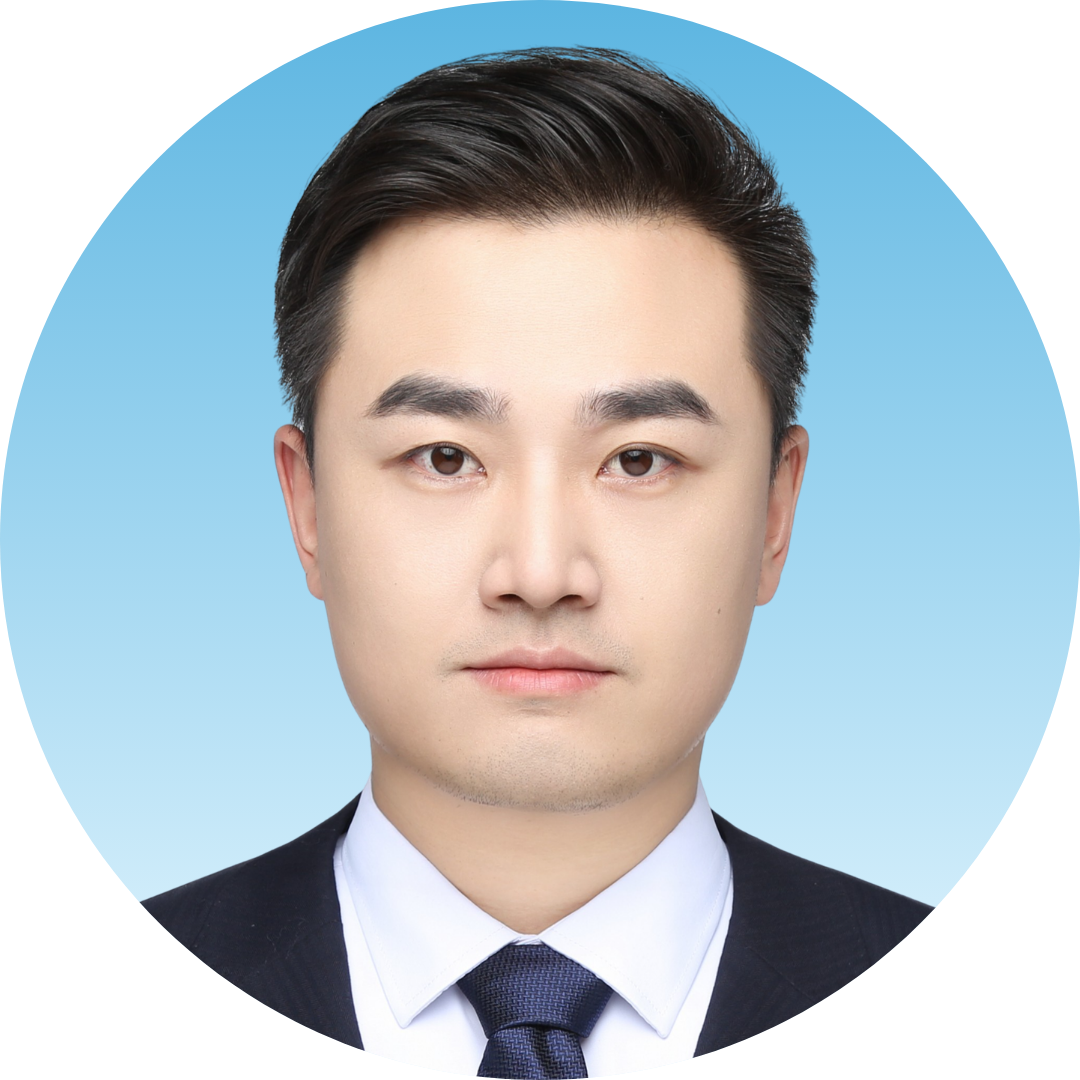
Xuefeng Ma
Harbin Institute of Technology, China
Brief Introduction: Ma Xuefeng, Assistant Research Fellow, Ph.D. and Postdoctoral Fellow at Harbin Institute of Technology. His research focuses on bionic robots and piezoelectric actuation technologies. He has published more than 30 academic papers in total, among which 13 are first author or corresponding-author articles. He has presided over multiple national and provincial ministerial research projects, including the General Program of China Postdoctoral Science Foundation, the Youth Program of Heilongjiang Provincial Natural Science Foundation, and sub-topics of the National Key Research and Development Program. He has been selected for the National Funded Postdoctoral Researchers Program. In addition, he leads several horizontal research projects such as a sub‑task of the Heilongjiang Major Scientific and Technological Achievement Industrialization Project. He serves as a reviewer for over 10 journals including IEEE TIE and Journal of Field Robotics.
Invited Speaker Ⅶ
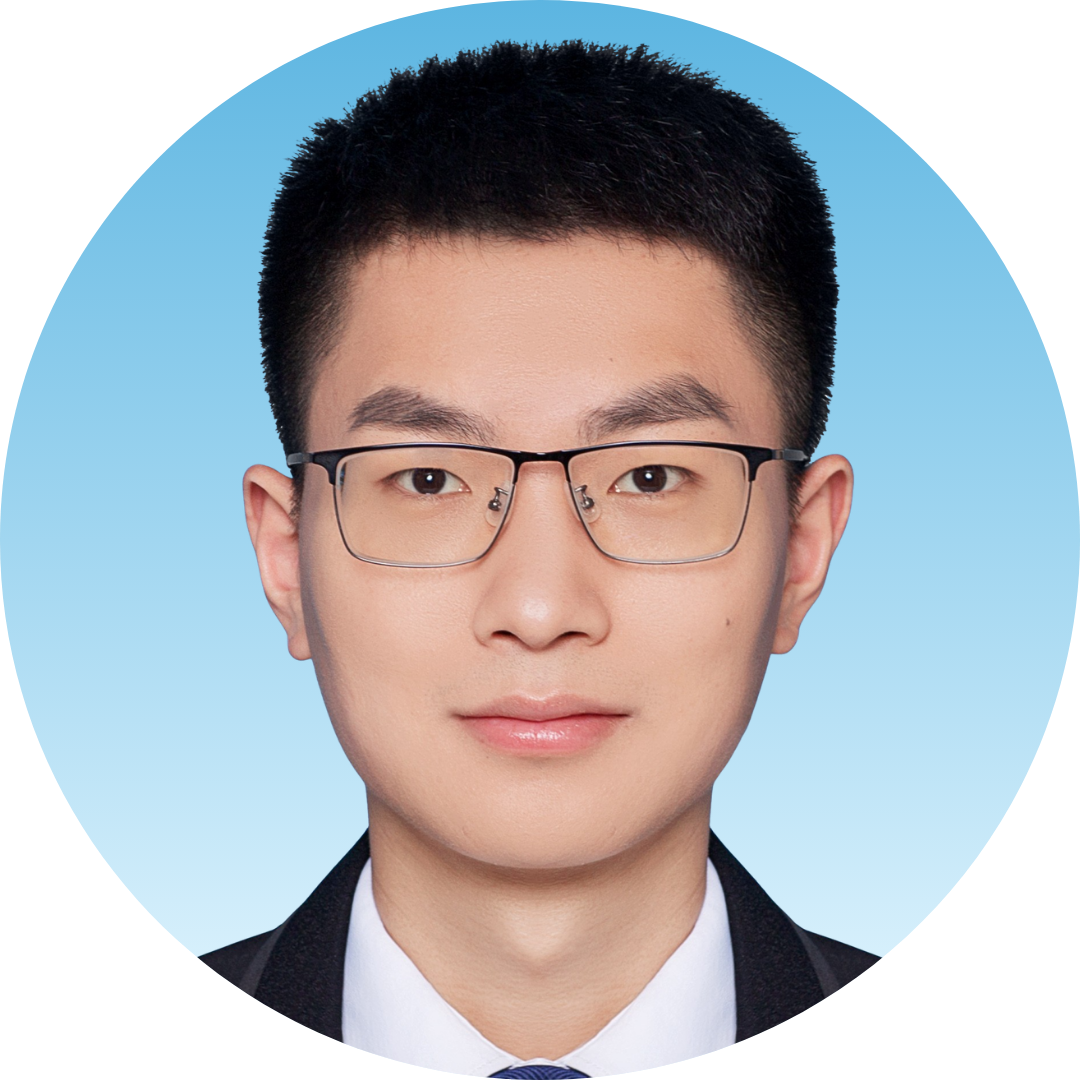
Yang Yu
University of Chinese Academy of Sciences, China
Brief Introduction: Dr. Yang Yu is a Postdoctoral Fellow/Specially Appointed Research Assistant at the University of Chinese Academy of Sciences, under the supervision of Academician Zhong Lin Wang. His research primarily focuses on micro/nano-scale energy harvesting and self-powered sensing devices. Dr. Yu has been selected for the Beijing High-Level Innovative and Entrepreneurial Young Talent Support Program and the A-Class Young Scholar Program for Nano Energy. He has received funding from multiple competitive programs, including the National Natural Science Foundation of China (Young Scientists Fund, Category C), China Postdoctoral Science Foundation Special Funding, National Postdoctoral Program for Innovative Talents (Category B), China Postdoctoral Science Foundation General Program, Provincial Natural Science Foundation projects, the Chinese Academy of Sciences Special Research Assistant Support Program, and the Beijing Association for Science and Technology Young Talent Support Project. As a first/corresponding author, he has published more than 20 research articles in internationally renowned journals, including Joule, Energy & Environmental Science, Advanced Energy Materials, and Materials Today. Among these publications, one was selected as a journal cover paper, three were recognized as highly cited papers, and one was highlighted as one of the top ten research advances in the field. Dr. Yu has received more than 20 honors and awards, including the Young Scientist Award from the International Association of Advanced Materials, the President’s Award of the Chinese Academy of Sciences, Outstanding Postdoctoral Fellow of the Chinese Academy of Sciences, Outstanding Individual of the University of Chinese Academy of Sciences, and the China Energy Society Dissertation Incentive Program Award for Doctoral Dissertation. He also serves as a reviewer for the National Natural Science Foundation of China, an expert reviewer for the National Undergraduate Innovation Competition on New Materials, and a young editorial board member of leading journals including Nano-Micro Letters, The Innovation, and Research.
Invited Speaker Ⅷ

Qingbing Chang
Northeast Forestry University, China
Brief Introduction: Qingbing Chang, Associate Professor of the Northeast Forestry University. His research focuses on piezoelectric actuation and control technology, as well as micro- and miniaturized robotics. He has published over 20 academic papers, among which 9 are as first or corresponding author, including 5 papers in CAS Zone‑1 TOP journals. He has served as the Principal Investigator for the General Program of the Heilongjiang Provincial Postdoctoral Science Foundation and for the Fundamental Research Funds for the Central Universities. He received the Outstanding Doctoral Dissertation Nomination Award of Harbin Institute of Technology and the Research Excellence Award. He serves as a reviewer for journals including IEEE TIE, IEEE TASE, Smart Materials and Structures, Sensor Review, IEEE Access, and Precision Engineering.
Invited Speaker Ⅸ

Pengfei Du
Northeast Forestry University, China
Brief Introduction: Dr. Pengfei Du is an Associate Professor and master's supervisor at the College of Mechanical and Electrical Engineering, Northeast Forestry University. He received his Ph.D. in Mechatronics from Harbin Institute of Technology in 2023 and previously worked as an engineer in aero-engine precision gear manufacturing. His research interests include piezoelectric actuation and control, piezoelectric ultrasonic tools, ultrasonic-assisted machining, intelligent cutting tools, and bio-inspired robots. He has participated in more than ten national and industry-sponsored research projects, received four provincial- or ministerial-level science and technology awards, holds more than ten authorized patents, and has published over ten SCI-indexed papers, including work in IEEE Transactions on Industrial Electronics and International Journal of Mechanical Sciences.
Invited Speaker Ⅹ
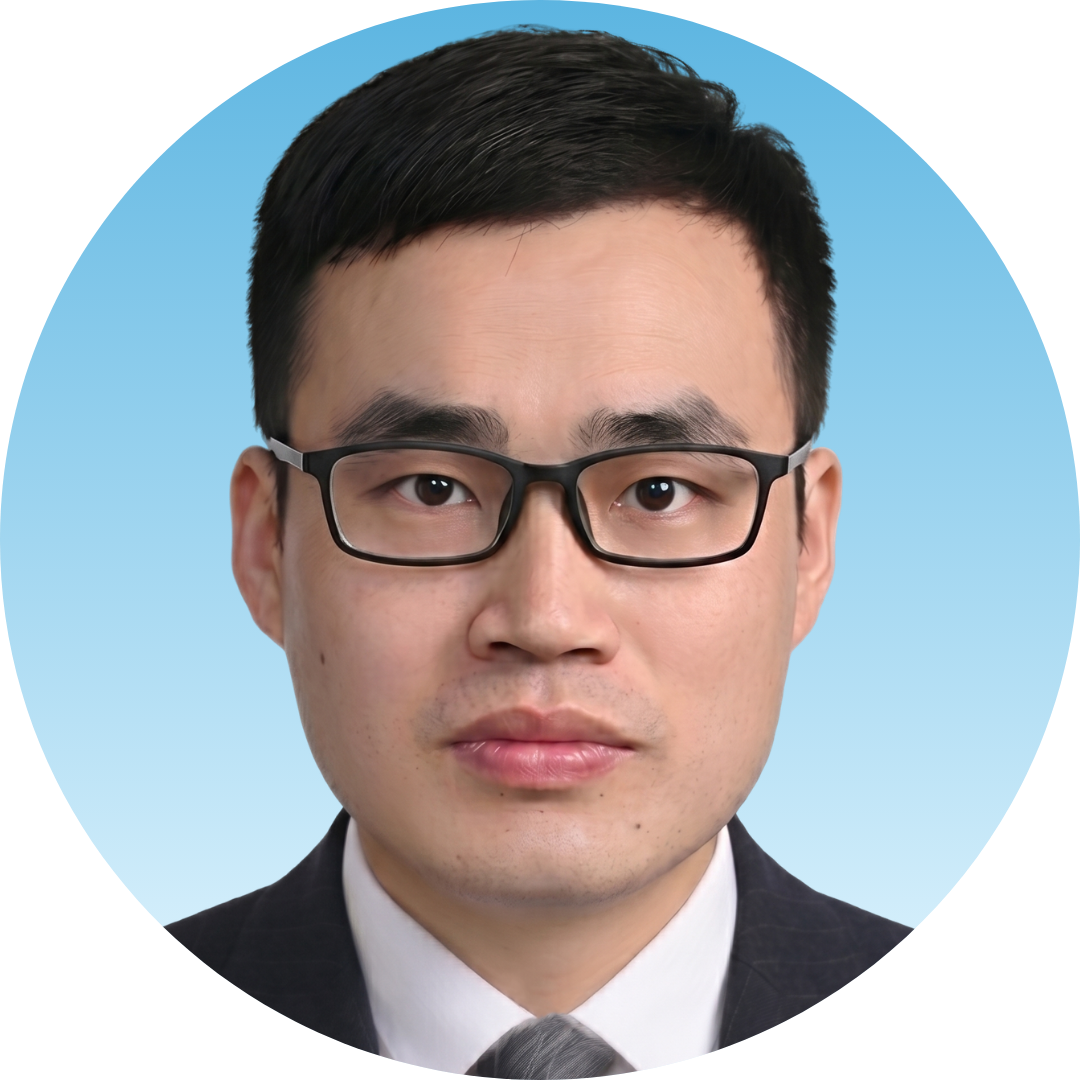
Yuming Feng
Northeast Forestry University, China
Brief Introduction: Yuming Feng, Ph.D. in Engineering, is an Associate Professor and Master's Supervisor at the College of Mechanical and Electrical Engineering, Northeast Forestry University. He has been awarded funding from the Young Scientists Fund of the National Natural Science Foundation of China (NSFC, Category C), the Young Scientists Fund of the Beijing Natural Science Foundation, and the General Program of the China Postdoctoral Science Foundation. He is a Senior Member of both the Chinese Mechanical Engineering Society (CMES) and the Chinese Society of Theoretical and Applied Mechanics (CSTAM). As a first or corresponding author, Dr. Feng has published 12 Q1 SCI/SSCI-indexed papers-including 9 in CAS Top Journals-in prominent publications such as IEEE TIE, AM, U S, DEVICE, HMT, and ATE. He also holds 5 granted patents. Furthermore, he serves as a peer reviewer for several prestigious international SCI journals, including IEEE Transactions on Industrial Electronics, Ultrasonics, Materials Today Advances, and Smart Materials and Structures.
Invited Speaker XI

Meng He
Suzhou University of Science and Technology, China
Brief Introduction: Meng He is a Lecturer who received his Ph.D. degree in Mechanical Engineering from Huazhong University of Science and Technology under the supervision of Prof. Liang Xia. He is currently with the School of Electronic and Information Engineering, Suzhou University of Science and Technology, where he works with Prof. Changhai Ru. His research interests focus on piezoelectric precision actuation and control, intelligent materials and structural optimization, and vibration-based micro-energy harvesting. He has published more than 10 SCI-indexed papers, including 6 as the first or corresponding author, in international journals such as IEEE Transactions on Industrial Electronics (IEEE TIE), Smart Materials and Structures, Finite Elements in Analysis and Design, and Composite Structures. He holds 8 granted invention patents and 4 utility model patents. He is the principal investigator of a Young Scientists Fund project supported by the Natural Science Foundation of Jiangsu Province and has participated in several national and provincial research projects, including the Key Project of Intelligent Robotics under the National Key R&D Program of China, the Disruptive Technology Innovation Program under the National Key R&D Program of China, and a General Program of the National Natural Science Foundation of China. He has received several honors, including the Outstanding Master’s Thesis Award of Jilin Province and the Outstanding Doctoral Academic Scholarship of Huazhong University of Science and Technology. He has been recognized three times as an Outstanding Reviewer for IOP Publishing’s Smart Materials and Structures and has also been awarded Trusted Reviewer status by the journal. He serves as a reviewer for more than 16 international journals, including IEEE Transactions on Industrial Electronics, IEEE/ASME Transactions on Mechatronics, Science China Technological Sciences, and Frontiers of Mechanical Engineering.
Invited Speaker Ⅻ

Jinzhi Zhu
Anhui Science and Technology University, China
Brief Introduction: Zhu Jinzhi holds a Ph.D. in Mechanical Engineering. His research focuses on self-powered intelligent sensing, micro/nano energy harvesting, and intelligent environmental perception, with particular interests in triboelectric nanogenerators, self-powered sensing, low-speed fluid energy harvesting, and deep learning-assisted high-precision sensing. Over the past five years, he has published six SCI-indexed papers as first author in leading international journals, including Advanced Materials, Advanced Energy Materials, Nano Energy, Energy, and Nano Research. He has been granted two invention patents and has delivered two presentations at international academic conferences. He has participated in a General Program of the National Natural Science Foundation of China, a Key Research Special Project of the Beijing Natural Science Foundation, and several industry-sponsored research projects. He currently serves as a reviewer for international journals including Chemical Engineering Journal and Energy Conversion and Management: X.
Invited Speaker XIII

Xinyu Guo
Zhejiang University, China
Brief Introduction: Xinyu Guo is a doctoral student at the School of Mechanical Engineering, Zhejiang University. His research focuses on adaptive grasping for unmanned aerial vehicles. He is the principal investigator of a doctoral student research project funded by the National Natural Science Foundation of China and has been selected for the Young Elite Scientists Sponsorship Program for Doctoral Students of the China Association for Science and Technology, the Qiushi Rising Star Program of Zhejiang University, and Zhejiang University’s “Qizhen Cup” Top Ten Academic Achievements. As first author, he has published one cover paper in a Science family journal. As a co-author, he has published two papers in Science family journals and one paper in a Nature family journal. He received the Best Poster Award at the 5th China Robot Academic Annual Conference.
Invited Speaker XIV

Zimo Cai
Zhejiang University, China
Brief Introduction: Zimo Cai is a Ph.D. candidate in Mechanical Engineering at Zhejiang University, under the supervision of Research Professor Kaichen Xu, a recipient of Zhejiang University’s Hundred Talents Program. During her doctoral studies, she has served as the principal investigator of a doctoral student research project funded by the National Natural Science Foundation of China (NSFC) and has led 20 projects supported by the Fundamental Research Funds for the Central Universities. She was selected for the inaugural Yong Elite Scientists Sponsorship Program for Doctoral Students of the China Association for Science and Technology, the Xinmiao Talent Program of Zhejiang Province, and Zhejiang University’s Qiushi Rising Star Program. As the first author (including co first author), she has published 7 SCI papers, among which 6 are CAS Zone-1 top-journal articles issued by Nature Communications, Advanced Materials, Advanced Functional Materials and Internal Journal of Extreme Manufacturing, alongside 2 cover papers. The total impact factor of her publications reaches 115, with 390 citations. She has filed 7 invention patent applications in China, USA and Japan, 4 of which have been granted. She has also won more than 10 national-level honors, including the National Doctoral Scholarships for twice, the Jiang Zhuangde Sensor Scholarship (only 10 recipients nationwide), the Special Gold Medal at the Geneva International Invention Exhibition (1st ranked student participant), the first prize (1st place) in the National Final of the Mingshi Cup Micro Nano Sensing Contest of China University Mechanical Engineering Innovation Competition, and the MINE Rising Star Award.
Invited Speaker XV

Shiquan Liu
Zhejiang University, China
Brief Introduction: Liu Shiquan is a third-year Ph.D. candidate in the School of Mechanical Engineering at Zhejiang University under the supervision of Professor Chen Yuanliu. His research focuses on process monitoring and control in ultra-precision manufacturing. As a first author, he has published nine SCI-indexed papers in leading international journals in the field of manufacturing, including International Journal of Mechanical Sciences, Journal of Materials Processing Technology, and CIRP Annals, receiving more than 60 citations in total. One of his papers was selected as both a cover article and a highlighted article by the International Journal of Machine Tools and Manufacture in 2025 (Impact Factor: 24.1). He holds five granted Chinese invention patents and serves as the principal investigator of a 2025 National Natural Science Foundation of China (NSFC) Ph.D. Student Research Project and a 2025 Zhejiang Provincial “New Seedling Talent Program” Ph.D. Student Project. He was also selected for the 2025 Doctoral Student Program of the Young Elite Scientists Sponsorship Program by the China Association for Science and Technology. His honors and awards include the 2025 National Scholarship for Doctoral Students, the 2026 Award for Zhejiang University’s Top Ten Student Innovation Achievements, the First Prize of the 2023 China Machinery Industry Science and Technology Award for Technological Invention, the National First Prize in the 2023 Competition on Micro/Nano Sensing Technologies and Intelligent Applications, the Outstanding Ph.D. Student Award from the Lu Zengqi High-Tech Reward Fund, and the titles of “Five-Excellence Graduate Student” and Outstanding Graduate Student at Zhejiang University.
Invited Speaker XVI
Jiacheng Sun
Zhejiang University, China
Brief Introduction: Sun Jiacheng, a male doctoral student at the School of Mechanical Engineering, Zhejiang University, supervised by Academician Tan Jianrong and Professor Liu Zhenyu. He has been selected for the first batch of the China Association for Science and Technology (CAST) Young Elite Sponsorship Program for Doctoral Students (sponsored by the Chinese Mechanical Engineering Society) and the Zhejiang University "Qiushi Rising Star" Cultivation Program for doctoral students. His research focuses on digital and intelligent design of precision machine tools. As the principal investigator, he has undertaken/completed three research projects, including the National Natural Science Foundation of China NSFC Young Student Basic Research Project (for doctoral students) and a Zhejiang University doctoral student project. He has published 7 academic papers as first author or student first author in high-level journals such as the Journal of Manufacturing Systems, Robotics and Computer-Integrated Manufacturing, and the Chinese Journal of Mechanical Engineering. He has been granted 17 Chinese and U.S. invention patents. He has received the National Scholarship for Doctoral Students for two consecutive years, has been honored multiple times with the titles of "Five‑Good Graduate Student" and "Outstanding Graduate Student" at Zhejiang University, and has been awarded the "Top Ten Students" honor by the School of Mechanical Engineering, Zhejiang University.
Invited Speaker XVII

Xinjian Fan
Soochow University, China
Brief Introduction: Fan Xinjian, Distinguished Professor and Ph.D. Supervisor at Soochow University, is a recipient of the National High-Level Young Talent Program. His research primarily focuses on micro/nanorobotic technologies. He has made significant advances in cross-scale actuation, navigation and control of micro/nanorobots, as well as multimodal regulation of robotic swarms. His research achievements have demonstrated great potential for applications in targeted drug delivery. He has published more than 40 papers in prestigious journals in this field, with an H-index of 20. As the first or corresponding author, he has published more than 30 papers in leading journals in the field of micro/nanorobotics, including Science Robotics, Science Advances (3 papers), Proceedings of the National Academy of Sciences (PNAS), Advanced Functional Materials, and ACS Nano. His first/corresponding-author SCI papers have received more than 3000 citations, and his research has been widely reported by major domestic and international media outlets, including Xinhua News Agency, Xinhua Daily, New Scientist, and Science X. He has received honors and supports including the “Top Ten Outstanding Graduate Students” award from Harbin Institute of Technology, the National Postdoctoral Innovative Talent Support Program, and the MINE Outstanding Young Scientist Award. After joining Soochow University, he has established a new research direction in multiscale intelligent magnetic-controlled miniature robots, relying on the Jiangsu Provincial Key Laboratory of Advanced Robotics Technology. He currently leads several national and provincial-level research projects, including the National Science Fund for Excellent Young Scholars, the National Natural Science Foundation of China for Young Scholars, sub-projects under the National Key Research and Development Program, and young scientist sub-projects.